INSIGHTS
Swapping Stakes to Stop the North Sea Stalling
Equinor and Aker BP swap NCS assets to consolidate ownership, cut engineering friction, and accelerate development at Ringvei Vest, Yggdrasil, and Wisting
8 Jun 2026
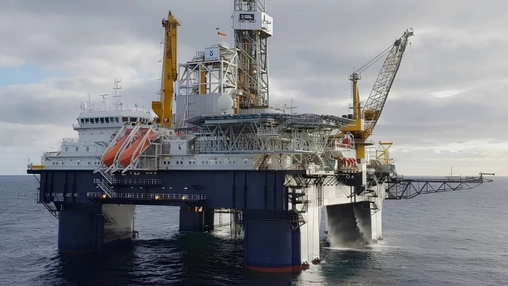
Equinor and Aker BP have finalised an asset swap on the Norwegian Continental Shelf, exchanging equity stakes across three license areas (Ringvei Vest, Yggdrasil, and Wisting) to give each company cleaner operational control over its respective development hubs.
That transaction removes a longstanding structural complication: where two operators hold overlapping interests in the same field, decision-making slows and engineering costs rise. By consolidating majority positions, each company can now lead technical execution independently, reducing the coordination overhead that has historically extended project timelines in mature offshore basins.
Ringvei Vest sits at the centre of the arrangement. Both companies had previously held stakes there, but neither held the kind of operational majority needed to drive subsea tieback design without the other's approval at each stage. The consolidated structure is expected to cut years from the project execution schedule, though neither company has published a revised timeline.
Yggdrasil presented a separate problem: misaligned working interests that did not reflect each operator's preferred development role. Three asset clusters will now fall under cleaner single-operator stewardship, reducing redundant pipeline planning and parallel subsea engineering work across the same geological formations.
For both companies, the logic is straightforward. Holding an interest in a field costs money regardless of whether that interest translates into operational influence. Swapping stakes to achieve usable majorities converts passive exposure into active development capacity, without requiring fresh capital from external sources or protracted funding rounds.
Norway's Continental Shelf is a maturing basin. Development economics are tightening as reservoir complexity increases and per-barrel lifting costs rise. Consolidation of this kind, administrative in form but material in consequence, is likely to become more common as operators seek to extract more value from existing licenses before conditions make marginal projects unviable.
Both companies have declined to disclose the financial terms of the exchange.
Related News


SUBSCRIBE FOR UPDATES
By submitting, you agree to receive email communications from the event organizers, including upcoming promotions and discounted tickets, news, and access to related events.